
Guidelines
Nineteen documents across three families: the core reintroduction guidelines and their eight translations, nine taxon-specific guidelines developed with individual specialist groups, and the 2025 guidelines on responsible translocation of displaced organisms.
-
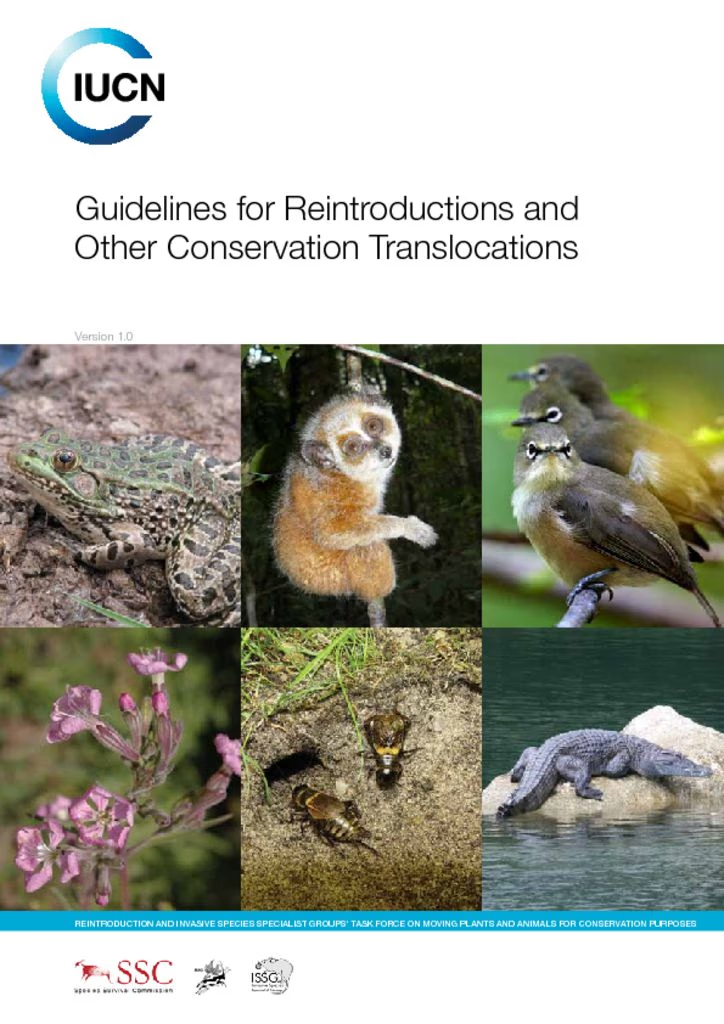
Conservation Translocations
The IUCN Guidelines for Reintroductions and Other Conservation Translocations, plus eight translated editions.
-
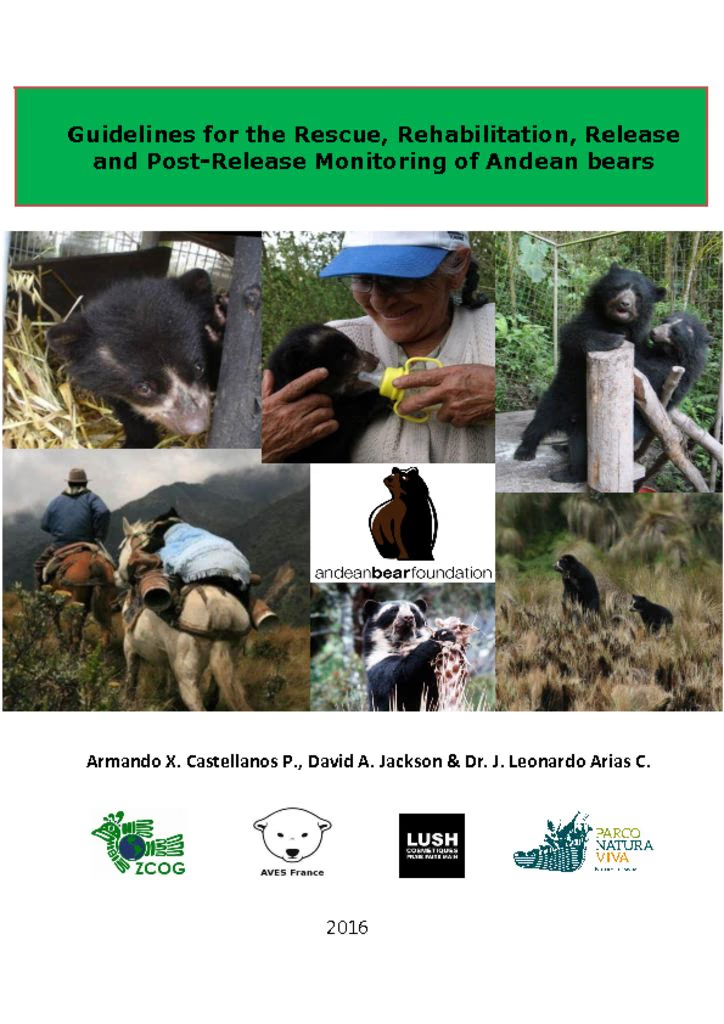
Taxon-specific
Nine guidelines covering amphibians, primates, great apes, gibbons, elephants, bears, galliformes and confiscated animals.
-
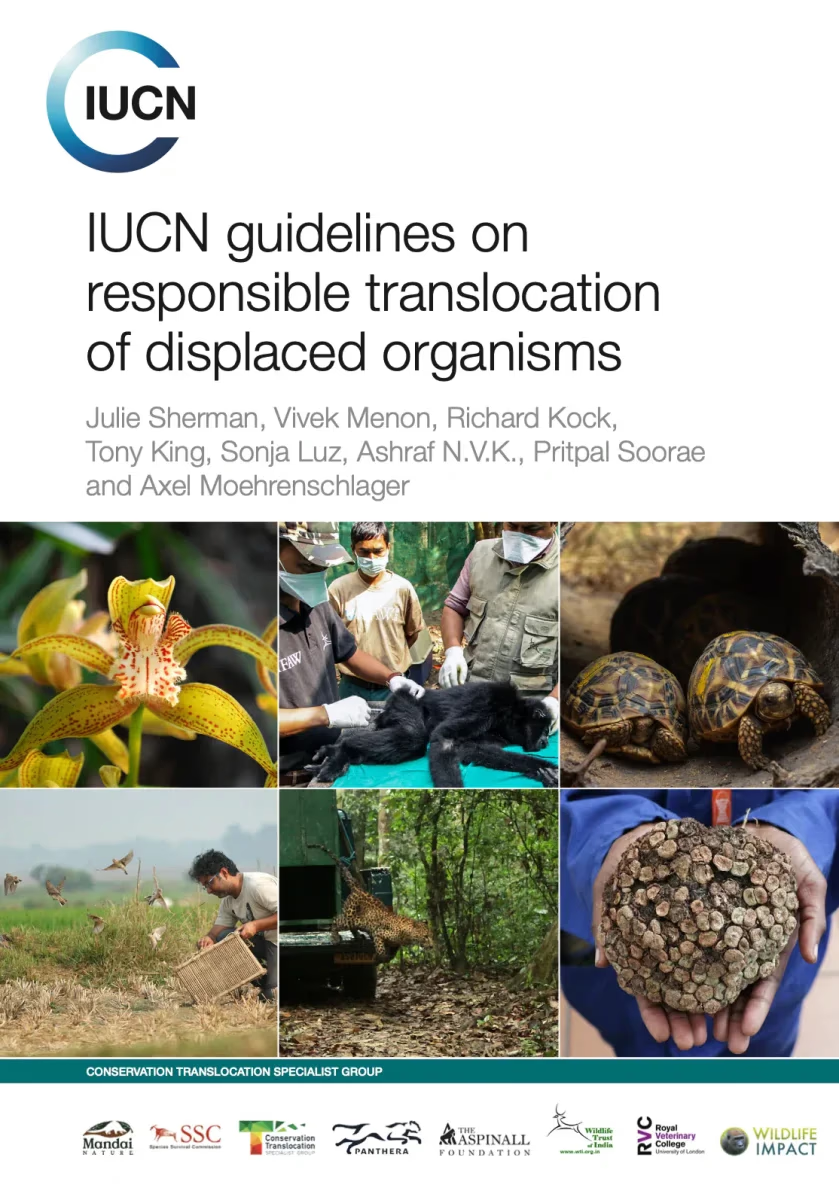
Responsible Translocation of Displaced Organisms
Released in 2025. Guidance on what to do with organisms displaced by development, disaster or rescue.
Frequently asked questions
Which guidelines does the library hold?
Three families: the core IUCN Guidelines for Reintroductions and Other Conservation Translocations with eight translated editions, nine taxon-specific guidelines, and the 2025 guidelines on the responsible translocation of displaced organisms.
Where should I start?
Start with the core guidelines. They define conservation translocation and set out how to judge, plan and monitor one. The taxon-specific guidelines add detail for particular groups of animals, and the 2025 guidelines cover organisms displaced by conflict, injury, development, illegal trade or disaster.
Are the guidelines binding?
They are guidance rather than law. Governments and zoo associations have, however, adopted the core guidelines into their own policies, including the Council of Europe's Bern Convention, the Scottish Conservation Translocation Code and the World Association of Zoos and Aquariums.
Are they free to download?
Yes. Every guideline is a PDF that opens from its own page with no login or fee. Each states its own reuse terms on its copyright page.