
Taxon-specific Guidelines
Guidance for particular groups, developed with the specialist groups that work on them.
Nine documents, each produced by the IUCN Species Survival Commission or the taxon specialist group that covers the species in question, rather than written for this site. Three carry an SSC Occasional Paper number: the great ape guidelines (No. 35, 2007), the Galliformes guidelines (No. 41), and the gibbon guidelines (No. 51, 2015). The rest include the 2021 amphibian guidelines, the 2003 African elephant guidelines, the Andean bear guidelines from the Andean Bear Foundation, the UK grey partridge guidelines from the Game & Wildlife Conservation Trust, the nonhuman primate guidelines published as Re-introduction News No. 21, and the guidelines for placing confiscated animals.
- IUCN Guidelines for amphibian reintroductions and other conservation translocations
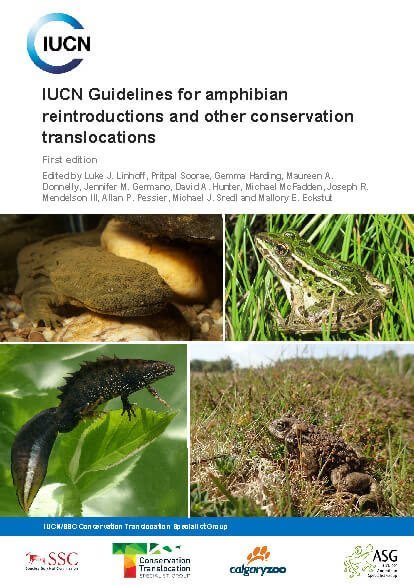
 11.6 MB
- Guidelines for the Rescue, Rehabilitation Release and Post-release Monitoring of Andean Bears
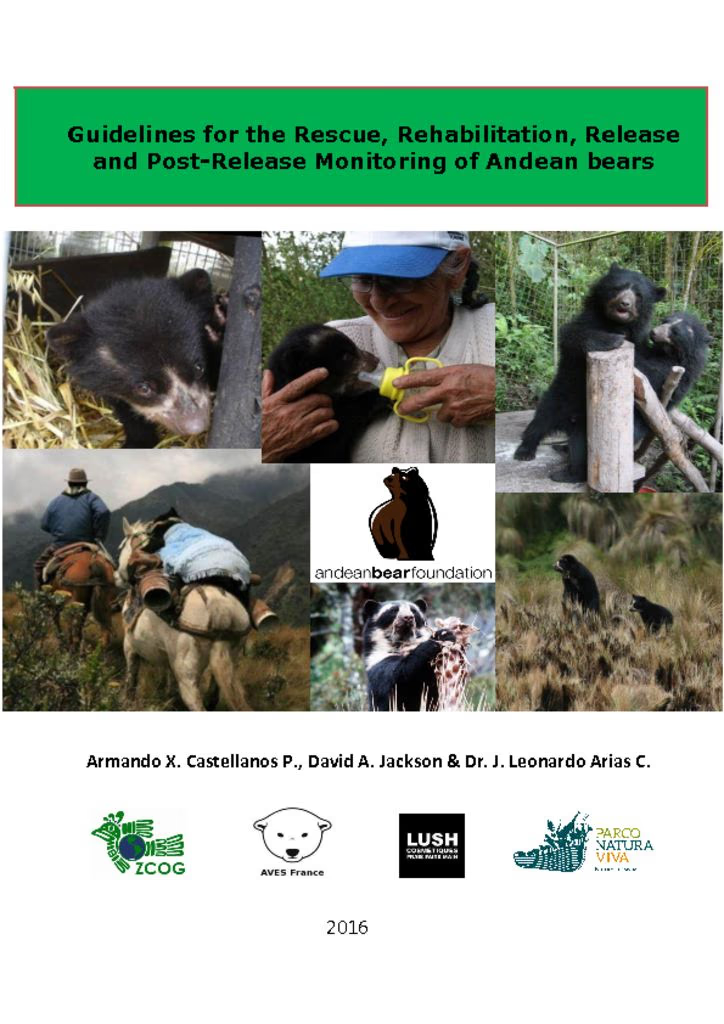 6.3 MB
- Guidelines for the In-situ Translocation of the African Elephant for Conservation Purposes
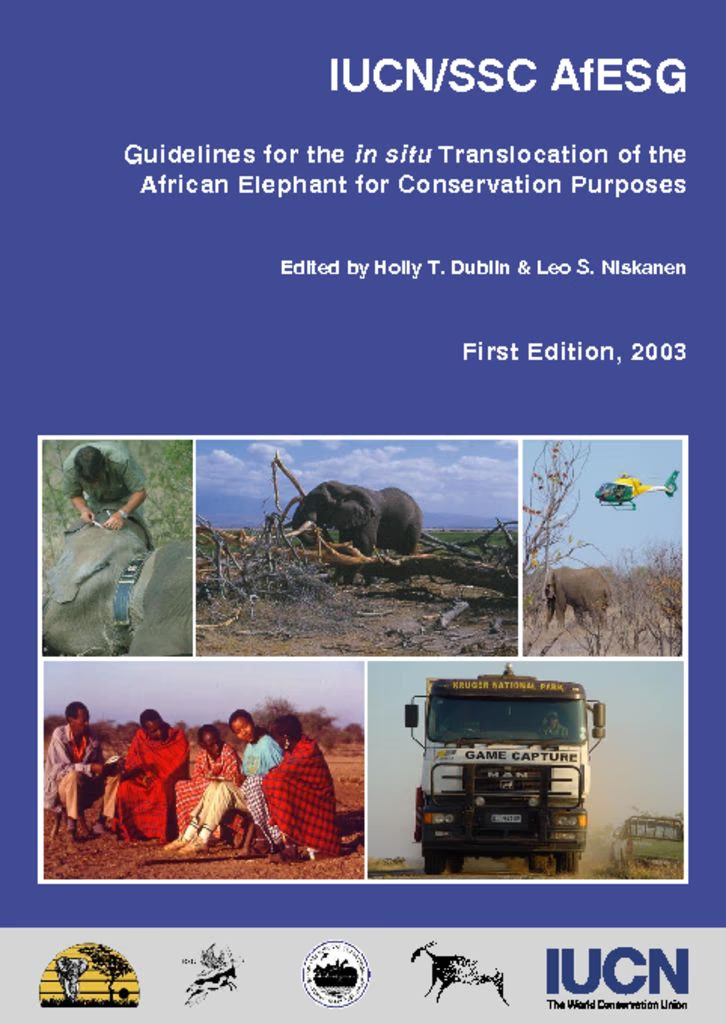 762 KB
- Guidelines for Reintroduction of Galliforms for Conservation Purposes
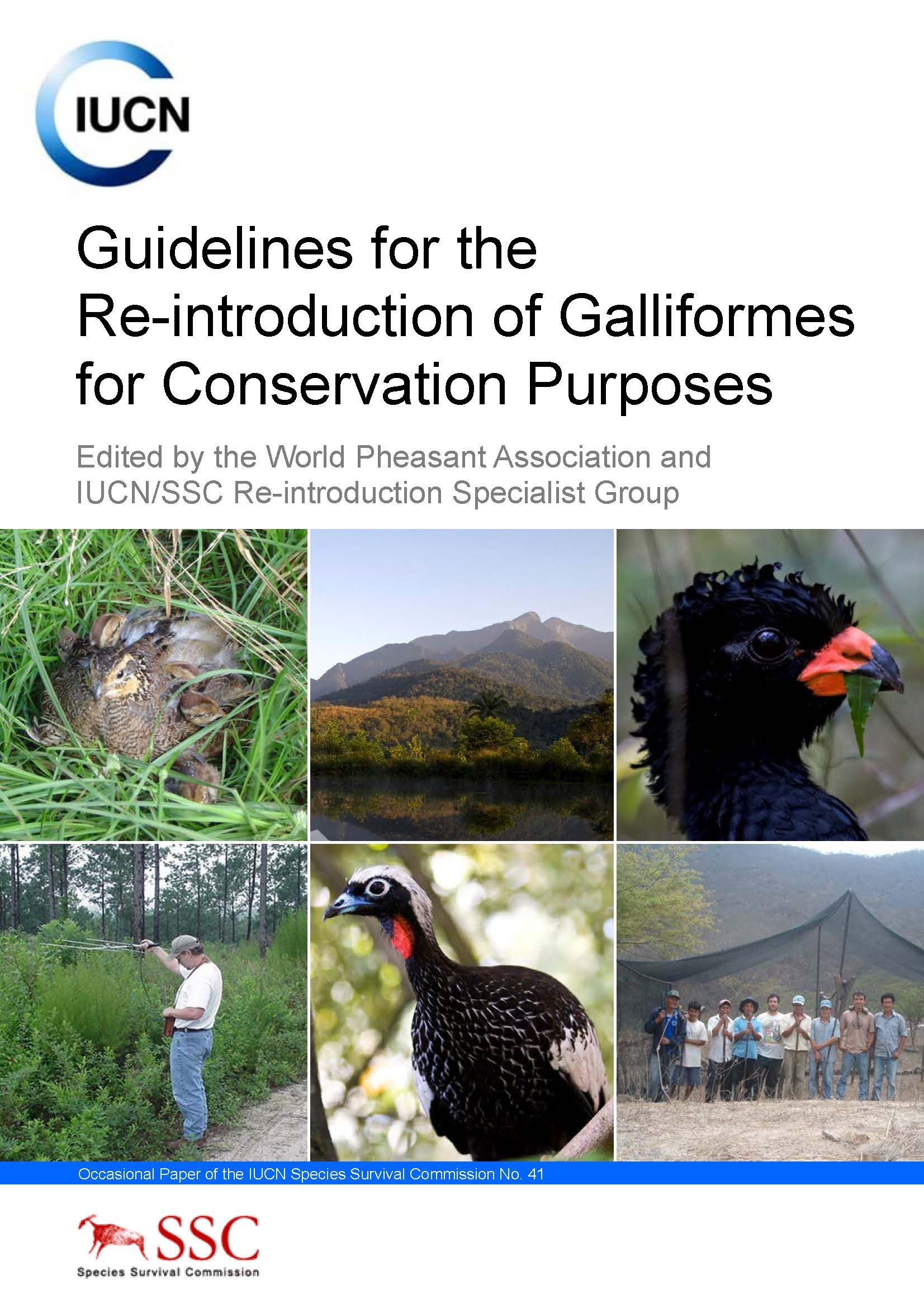 2.3 MB
- Guidelines for Re-establishing Grey Partridges Through Releasing
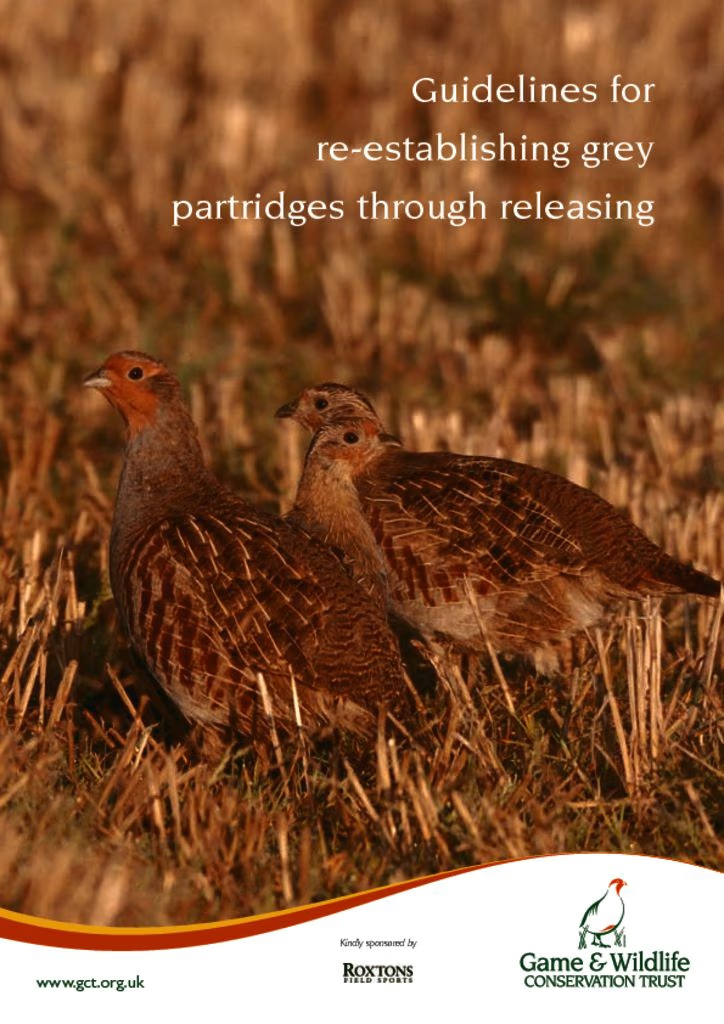 2.9 MB
- Guidelines for Nonhuman Primate Reintroductions
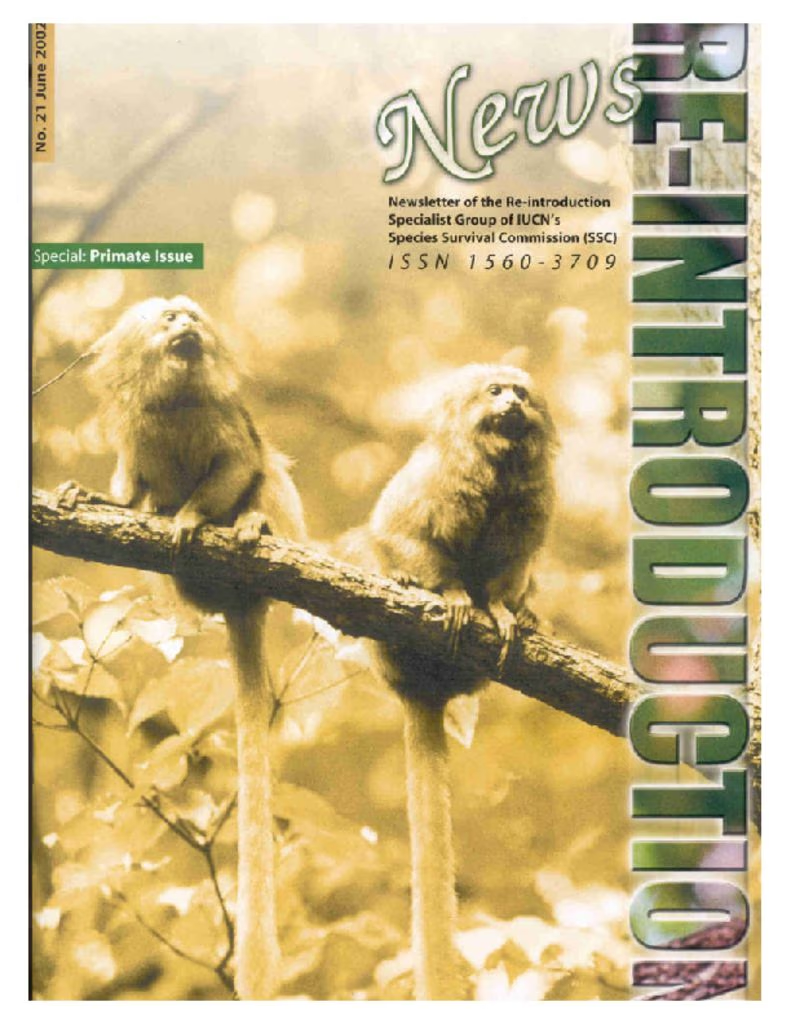 1.0 MB
- Guidelines for the Rehabilitation and Translocation of Gibbons
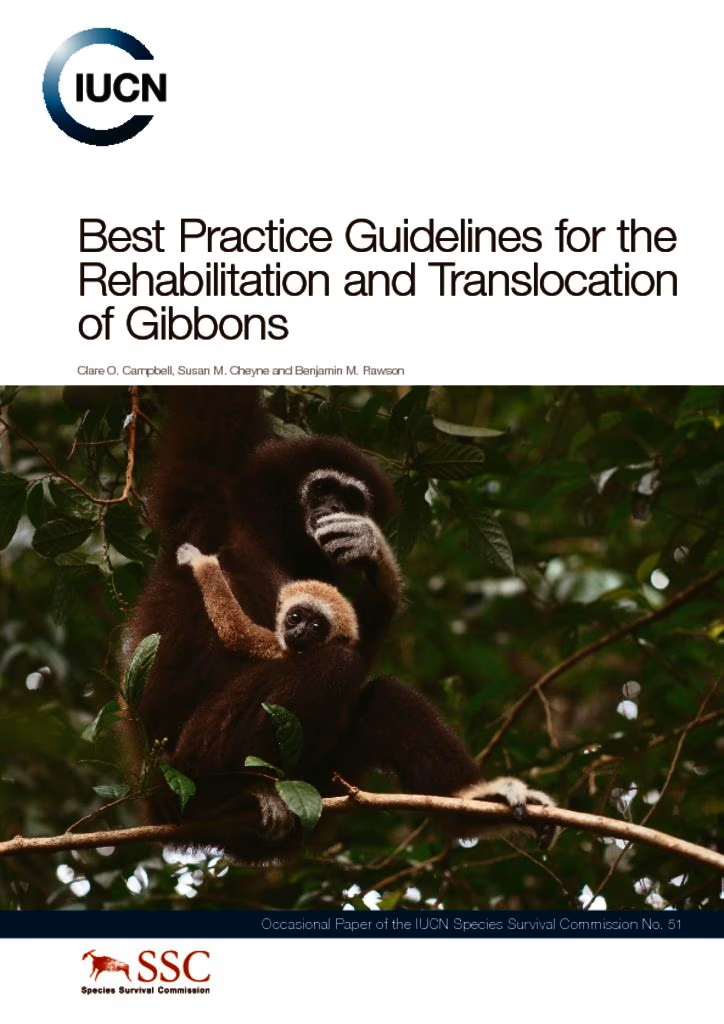 7.9 MB
- Guidelines for the Reintroduction of Great Apes
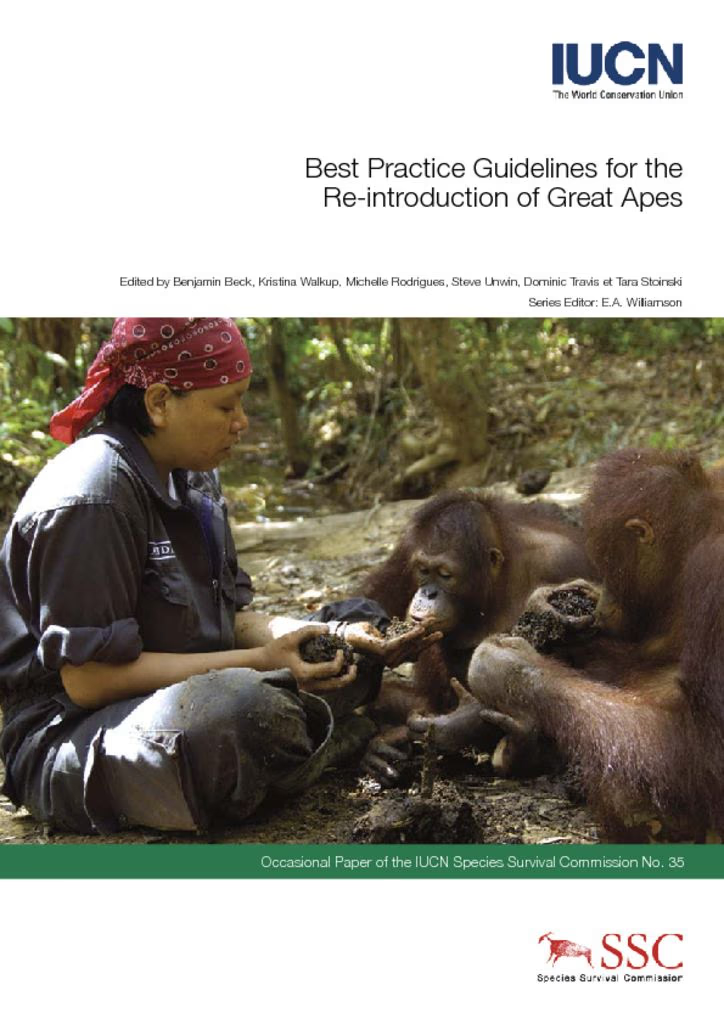 1.1 MB
- IUCN Guidelines for the Placement of Confiscated Animals
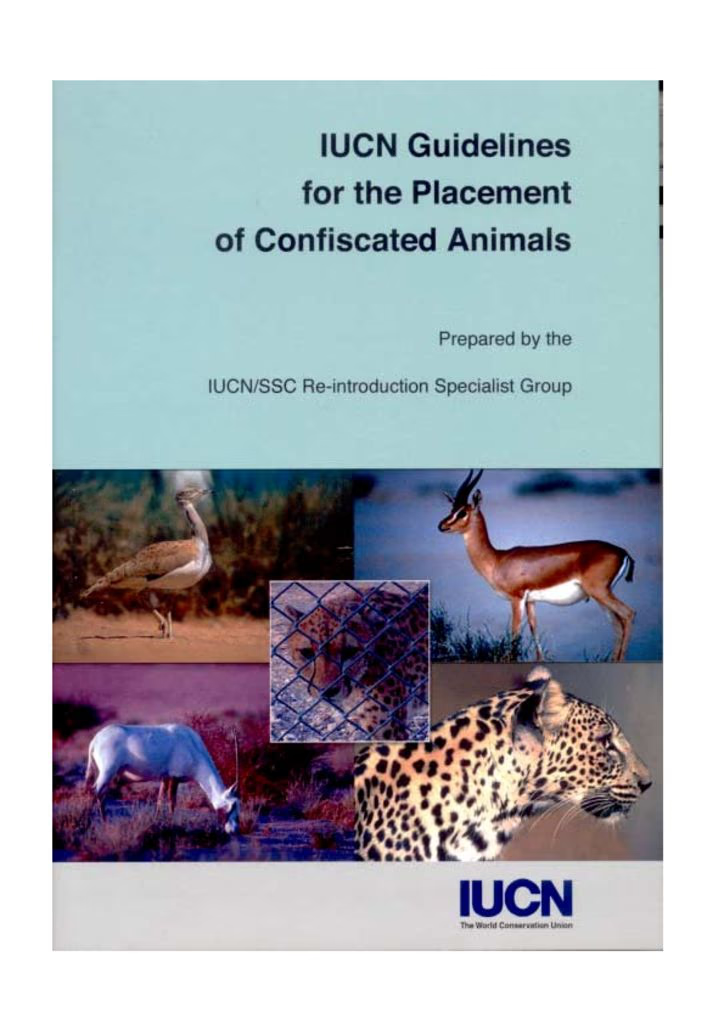 325 KB
Frequently asked questions
What does taxon-specific mean?
It means the guidance is written for a particular group of species, such as amphibians, great apes or galliformes, rather than for translocation in general. These documents add detail that the core guidelines leave out.
How do these relate to the core guidelines?
The core IUCN Guidelines for Reintroductions and Other Conservation Translocations set the general framework. The taxon-specific documents apply it to one group, and some were written by outside organisations, such as the Andean Bear Foundation and the Game and Wildlife Conservation Trust.
Are these documents free to use?
They are free to download. Several state that reproduction for educational or other non-commercial purposes is allowed with full acknowledgement of the source, and each PDF sets out its own terms on its copyright page.