Case study · 2010
Re-introduction of corncrakes in the UK
From Global Conservation Translocation Perspectives (2010). Browse all case studies.
Summary
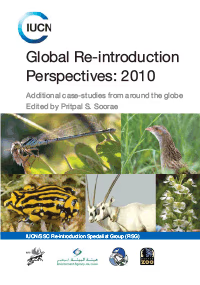
The corncrake (Crex crex), wiped out from mainland Britain by farm mechanization and surviving only on remote Scottish islands at just over 1,000 singing males despite doubling in a decade, was the subject of a 2001 RSPB and English Nature pilot reintroduction to the Nene Washes in eastern England, aiming to establish 50 self-sustaining calling males as a template for restoring the species more widely. After opposition blocked plans to collect wild Scottish chicks, the captive breeding population was instead founded with 15 captive-bred juveniles imported from a German aviculturist, German and Polish stock judged genetically similar enough to the extinct English population, bred under Zoological Society of London supervision, with hand-reared chicks transferred to holding pens at the Nene Washes and released into managed grassland around 28 days old. Because corncrakes are short-lived, the program aimed to release over 100 juveniles annually for at least three years; concerned about poor spring return rates, a 2008-2009 trial instead overwintered some chicks and released them as radio-tagged breeding-age adults, some of which established territories and attracted mates. Night counts have shown increasing calling males each year, with one confirmed case of wild breeding and growing numbers of unringed males suggesting more regular wild reproduction. Major difficulties included capture-authorization hurdles, weasel predation destroying part of a breeding season, inbreeding in founder stock, and very low recruitment of wild-bred birds. The project rates itself Partially Successful, noting it remains incomplete and most calling males detected are still released rather than wild-born.