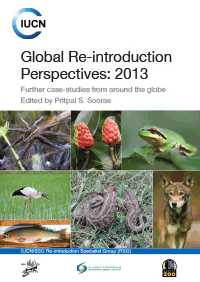
Case study · 2013
Translocation and augmentation of the fen raft spider populations in the UK
- Taxon group
- Invertebrates
- Country
- UK
From Global Conservation Translocation Perspectives (2013). Browse all case studies.
Summary
The fen raft spider (Dolomedes plantarius), Britain's rarest and largest native spider and the only European spider species listed Vulnerable by IUCN, survived at just three disjunct UK wetland sites before Natural England's Species Recovery Program, working with the Zoological Society of London and a consortium of UK zoos, launched a translocation and captive-rearing effort aiming to grow the number of self-sustaining populations from three to twelve by 2020. Field surveys confirmed source population status and identified receptor sites, and by 2010 stock provenance decisions balanced genetic diversity against risk, since crossing the two most distinct populations in captivity showed no inbreeding depression or hybrid vigor. Techniques included releasing captive-reared three-month-old spiderlings, whose captive survival exceeded 80% from broods averaging over 500, releasing wild-caught females after they produced a stronger second captive brood before returning them to their capture site, and releasing egg-carrying females with their broods intact to eliminate predation risk during incubation. By 2012, introductions had been made at two sites on one river system plus a first release at a more distant site; the two established sites confirmed successful wild breeding with nursery web densities matching the best source populations, ending plans for further augmentation there, while breeding was also confirmed at the most vulnerable natural site though harder to quantify. Difficulties included funding uncertainty for long-term monitoring and food supply for captive-reared spiderlings. The project rates itself Highly Successful, while noting the program remains at a relatively early, ongoing stage.